How to Spot a Fake Supplement Expert (Including the AI Ones)
Scientifically reviewed by Onur Oncer, B.S. (Shroombiosis founder & formulator; B.S. Physiology, published researcher).
Short answer
A real health expert survives three checks a fake cannot: a license you can look up in a state registry, a name that exists outside one brand's content, and specific claims you can verify. AI-generated 'doctors' fail all three, and under FTC rules a fake testimonial is illegal no matter how it is labeled.
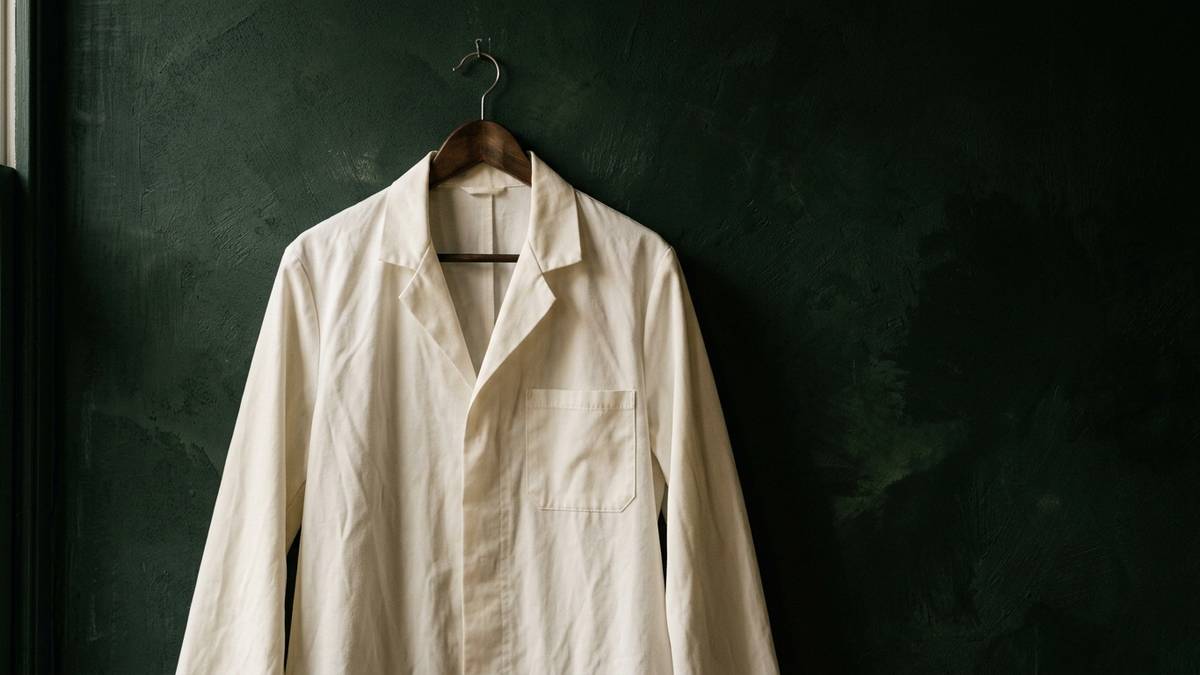
The doctor in the video wears a white coat, speaks in a warm clinical register, and has thirty seconds of advice about a mushroom blend. She has never existed. No license, no patients, no name that survives a search. A New York Times video investigation this July found hundreds of accounts like hers, AI-generated wellness personalities pitching supplements to American consumers, many presented as doctors and health experts.
I am a pharmacist, and the part that bothers me most is not the technology. It is how little the technology had to change for the pitch to work.
What did the New York Times actually find?
Hundreds of synthetic "experts" selling supplements on social media, reported first by the Times and examined for its regulatory fallout by NutraIngredients in August (opens in new tab). The Council for Responsible Nutrition, the industry's largest trade association, called the conduct (opens in new tab) "clear violations of the law" within days and renewed its call for a mandatory FDA product registry. Regulators did not treat it as a gray area. Nobody serious is defending it.
Is an AI spokesperson even legal?
Existing is legal. Faking experience or expertise is not. The FTC's rule on consumer reviews and testimonials (opens in new tab), 16 CFR Part 465, in force since October 2024, bans fake testimonials outright, and an avatar that was rendered last Tuesday cannot have tried a supplement or held a medical license. Phyllis Marcus of the National Advertising Division put it plainly in that NutraIngredients piece: "The same truth-in-advertising standards apply whether a spokesperson is human or AI-generated."
A disclosure does not launder the claim either. Labeling the character AI-generated does not make an unsupported health claim acceptable, a point conceded even by the compliance consultant arguing the pro-AI side of that article.
Then there is the audience. In a 2026 Harris Poll survey cited in the same coverage, 78% of consumers said AI made advertising feel less authentic and 63% said they would be less likely to buy from a brand using AI-generated ads. For anyone selling trust, the legal question is almost beside the point.
How do you check whether a health expert is real?
Verification beats intuition, and it takes about a minute. My own license is the example I know best. I hold a PharmD, and my pharmacist license sits in a public state database anyone can search without an account. Every licensed U.S. health professional leaves the same trail.
1. Look up the license. Every state runs a free verification site for physicians, pharmacists, and nurses. Prescribers also appear in the federal NPI registry (opens in new tab). Registered dietitians can be checked through the Commission on Dietetic Registration. No full name, no state, no license number to search? That is your answer.
2. Search the person outside the platform. Real clinicians exist somewhere other than one brand's videos: an employer, a university, a PubMed author page, a conference program. An expert who exists only in ads is an ad.
3. Reverse-image-search the face. Google Lens or TinEye takes seconds. The classic tells, earrings that change between cuts, teeth that blur together, hands with the wrong number of fingers, still catch plenty of these accounts. Rely on that less every month. The generators improve. The license check does not age.
4. Listen for anything checkable. A real expert names an amount, a species, a study you can find. Synthetic marketing deals in outcomes and urgency, because a specific claim can be checked and a feeling cannot.
5. Follow the money. One brand recommended, an affiliate code in the caption, a countdown timer under the video. Licensed professionals with real reputations rarely gamble them on discount codes.
Why do supplements keep attracting fake experts?
Because the category rewards confidence over verification, and it always has. Supplements are regulated after they reach the market, not approved before, so the loudest claim usually wins the click. CRN's own statement conceded the mechanism, noting that AI "simply made it easier and faster for unscrupulous marketers to deceive consumers." The tactic is new. The playbook is not.
It is the same logic as the proprietary blend. A category that trained customers to accept a label nobody can verify should not be surprised when the spokespeople become unverifiable too.
What does a checkable expert look like?
Run my own five checks on us. That is not a rhetorical flourish, it is the reason this page reads the way it does. My PharmD and my license are public records. Onur's physiology degree and published spectroscopy research come up under his real name, and both of our faces on the about page are photographs, not renders. The same test applies to the product: every ingredient prints its own amount, so the claims sit in the one place marketing cannot reach, the Supplement Facts panel.
If you want the fuller version of that habit, start with how to read a mushroom supplement label and choosing a transparent mushroom supplement, or the full buyer's guide. The skill that spots a fake doctor and the skill that spots a padded label are the same skill. Check, then trust.